Most people don’t qualify, despite what the commercials might suggest. Life settlements are typically for policyholders over age 75 or those with serious health conditions.

No reviews available.
GWG Holdings raised close to $1.6 billion by selling L Bonds to roughly 26,000 retail investors, many of them retirees, between 2012 and 2021. Those bonds were marketed as high-yield investments backed by a portfolio of life insurance policies. To support them, GWG acquired large numbers of policies through the life settlement market. This is worth noting: GWG wasn’t only a marketer of settlements, it was an active buyer of policies to feed its bond program.
That model unraveled. GWG defaulted on bond payments in early 2022 and filed for Chapter 11 bankruptcy on April 20, 2022. The bankruptcy plan took effect on August 1, 2023, at which point the company stopped operating and its L Bonds were canceled and converted into interests in the newly formed GWG Wind Down Trust. In October 2023, the Trust sold off GWG’s remaining policy portfolio.
The outcome for investors has been severe. Court filings project recoveries of roughly 3 cents on the dollar. In late 2025, GWG founder Brad Heppner was indicted on federal securities-fraud charges tied to the collapse, with proceedings continuing into 2026.
If you’re a policyholder: GWG is no longer an option for selling your life insurance policy. It doesn’t accept new business, and the brand exists today only to wind down old obligations. If you’re exploring a life settlement, you’ll want to work with a currently licensed broker or provider who can actually take your policy to market.
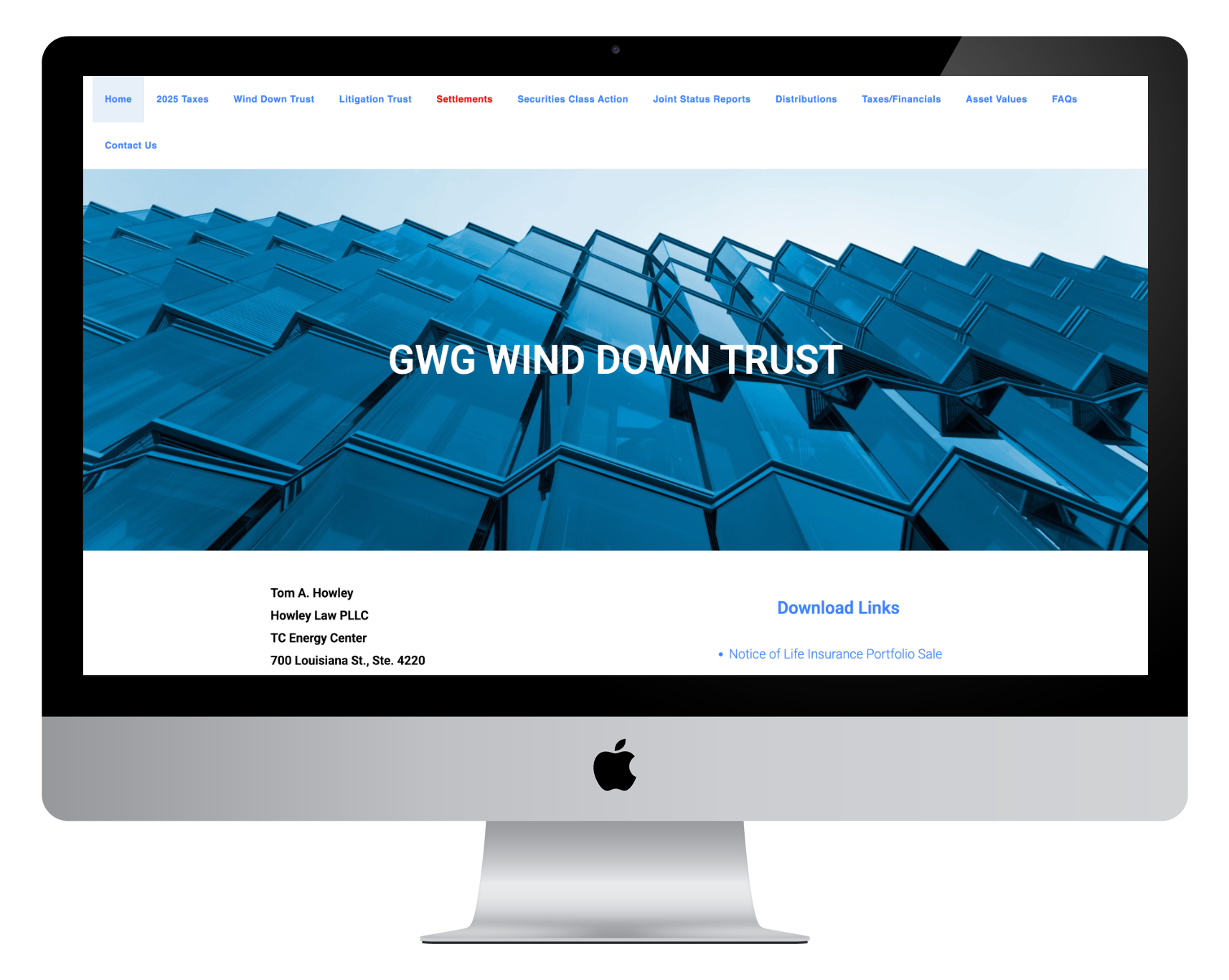
If you’re a former L Bond investor: The GWG Wind Down Trust (gwgholdingstrust.com) is the official channel for claim updates and distributions. Many investors have also pursued FINRA arbitration against the brokers who sold them the bonds. If that’s your situation, a securities attorney can explain your options.
For directory purposes, GWG Life is a legacy name: historically significant, but no longer an active, policyholder-facing buyer. Its story is a useful reminder of why the life settlement market rewards caution. The healthiest way to sell a policy is through a competitive process where multiple licensed buyers bid, not through a single company with its own financial pressures.
That’s the model Windsor is built on. When life settlement companies compete, policyowners win.
GWG Life is a legacy life settlement brand tied to GWG Holdings, which bought life insurance policies and packaged them to back investment products called L Bonds. Today the name is mostly researched in connection with GWG’s bankruptcy and wind-down.
No. As of August 1, 2023, GWG Holdings stopped operating as a business. The brand now exists only through the GWG Wind Down Trust, which is settling remaining assets and claims. It is not an active option for selling a policy.
GWG raised roughly $1.6 billion from about 26,000 investors through L Bonds, defaulted on payments in early 2022, and filed for Chapter 11 bankruptcy that April. Its bonds were later canceled and its assets moved into a wind-down trust.
L Bonds were high-yield debt products GWG sold to retail investors, marketed as being backed by life settlement portfolios. They lost most of their value when GWG defaulted and entered bankruptcy.
Yes. GWG bought life insurance policies through the settlement market and used that portfolio to support the bonds. When the model failed, both bondholders and the broader picture of GWG’s life settlement business were affected.
Court filings project recoveries of roughly 3 cents on the dollar. Distributions are being administered through the GWG Wind Down Trust, and many investors have separately pursued FINRA arbitration claims against the brokers who sold the bonds.
No. GWG does not accept new policy submissions. If you’re considering a life settlement, work with a currently licensed broker or provider instead.
Most people don’t qualify, despite what the commercials might suggest. Life settlements are typically for policyholders over age 75 or those with serious health conditions.
Do You Pay Taxes On Life Settlements? Yes. However new tax laws from 2017 allow policyholders to keep more of their settlement amount. How much and what portion depends on the type of policy, your cost basis, and how the IRS categorizes the gain. Here’s the breakdown in plain English:...
Life settlements have a troubled history. And the current climate isn't much better. Policyholders today are urged to at least consult an independent broker before making a decision.