


















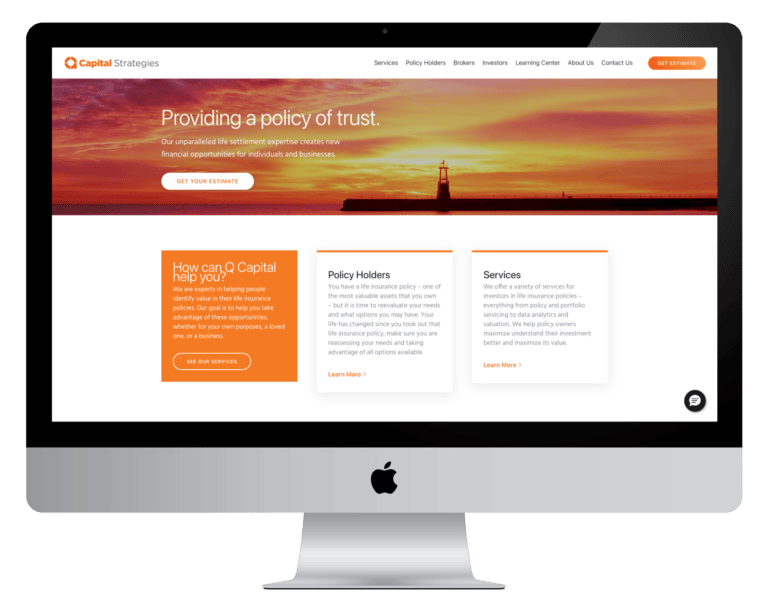




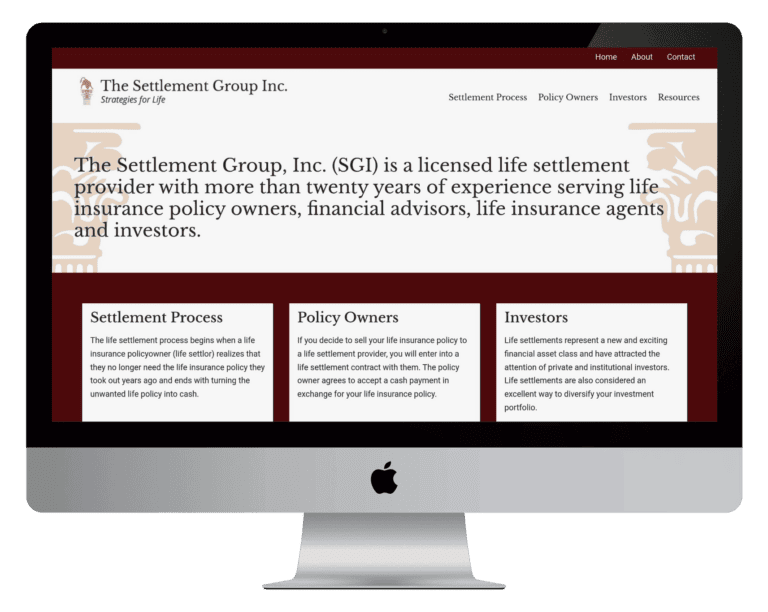

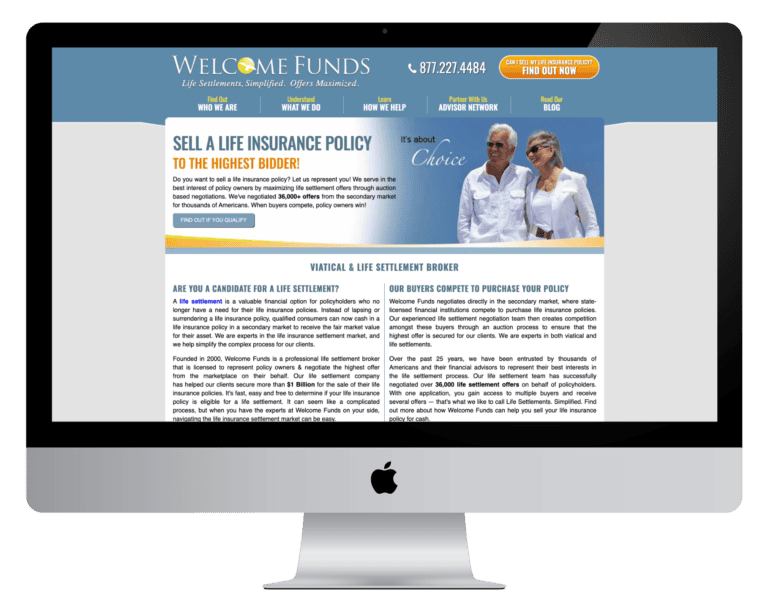
An updated resource for policyowners seeking a life settlement or viatical settlement.
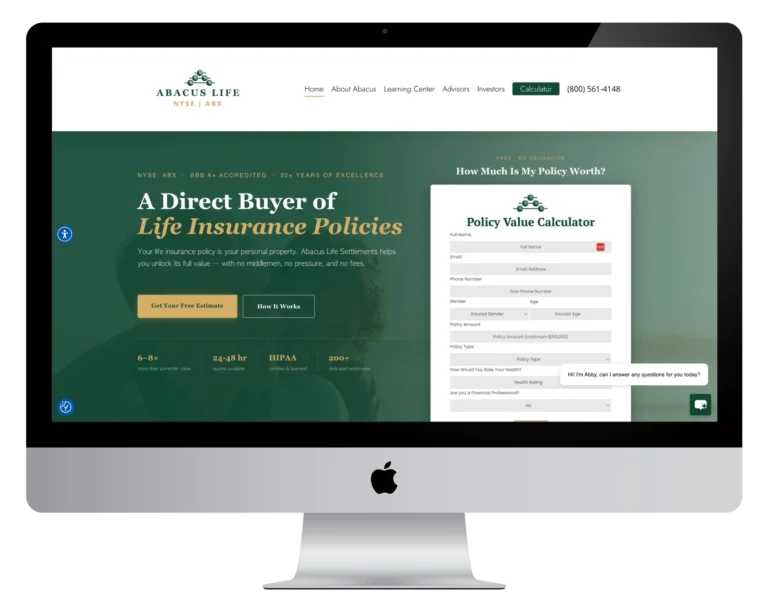
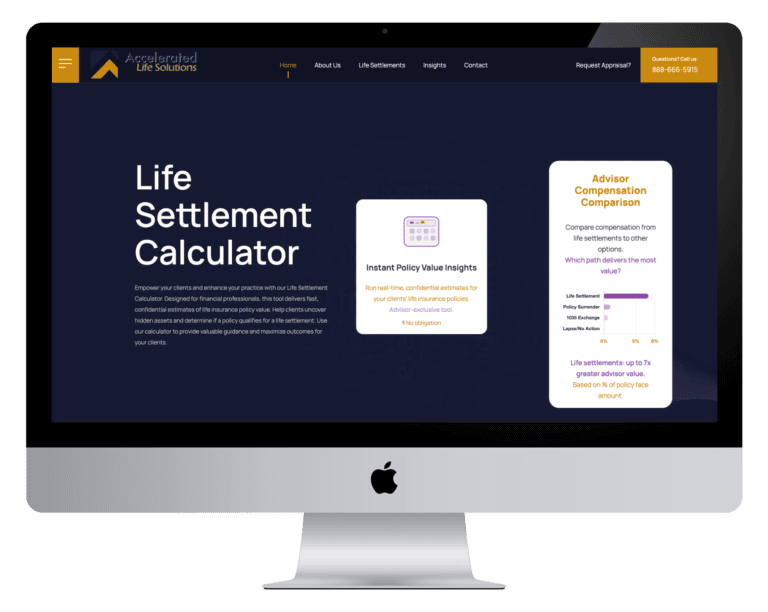
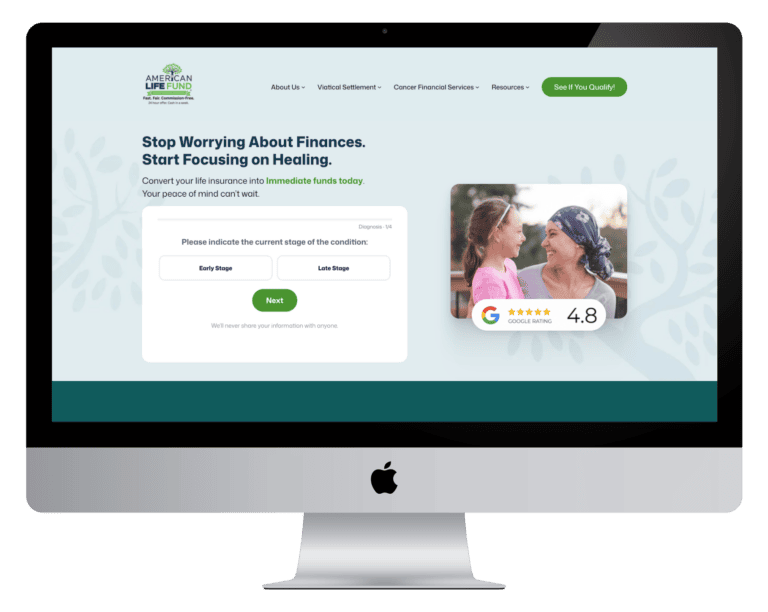
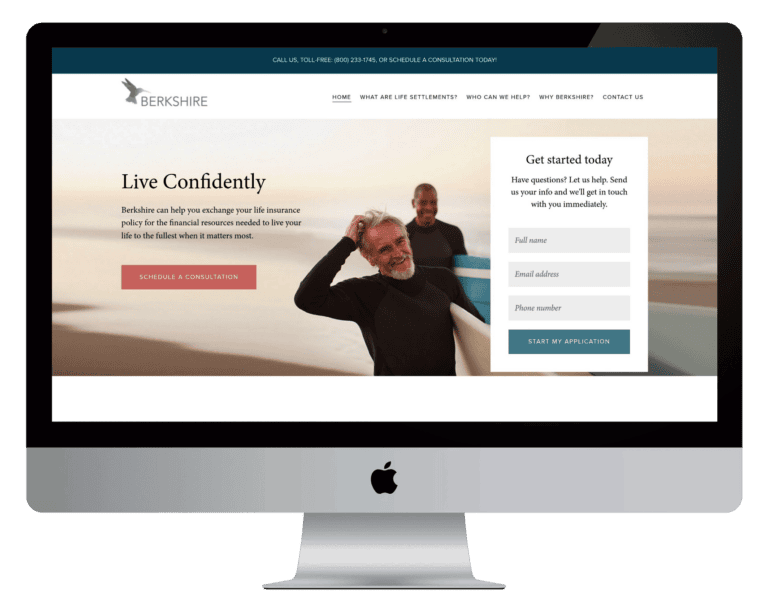
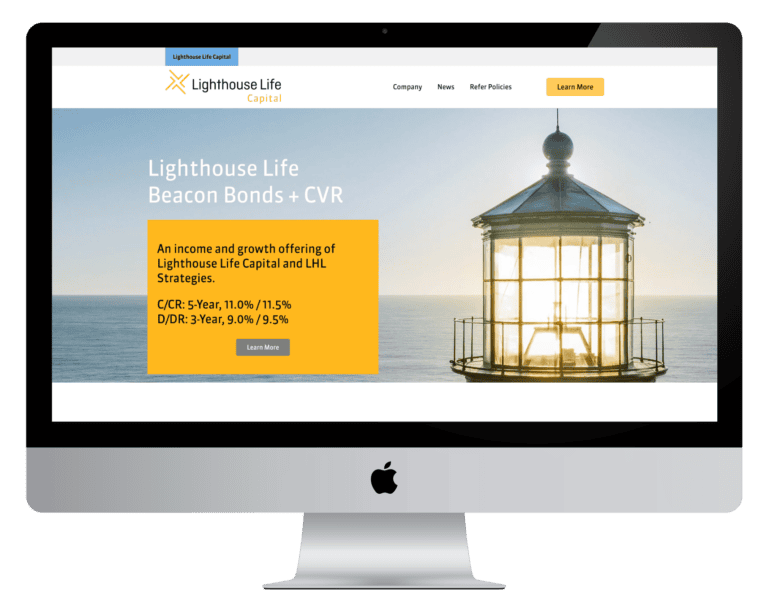
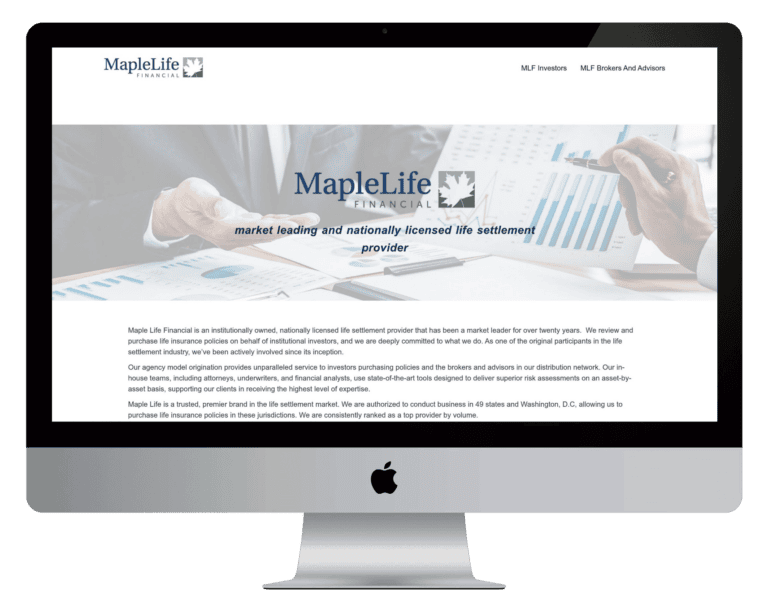
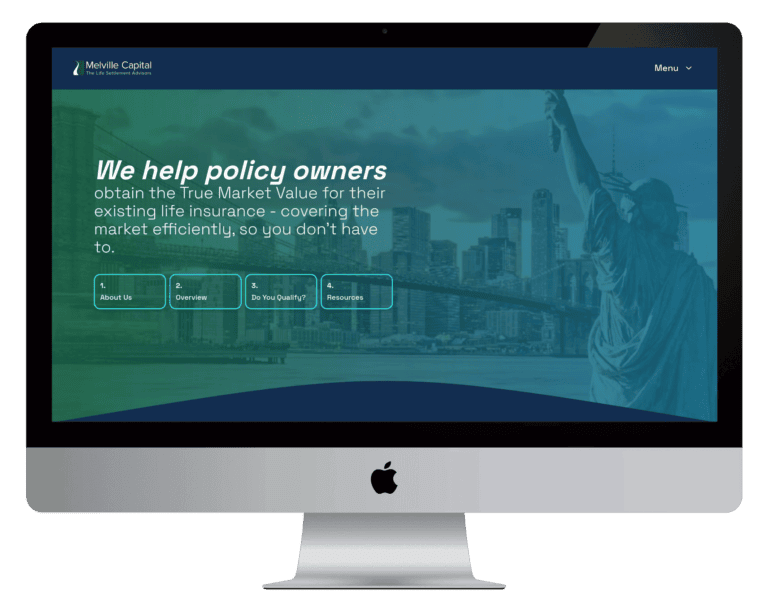
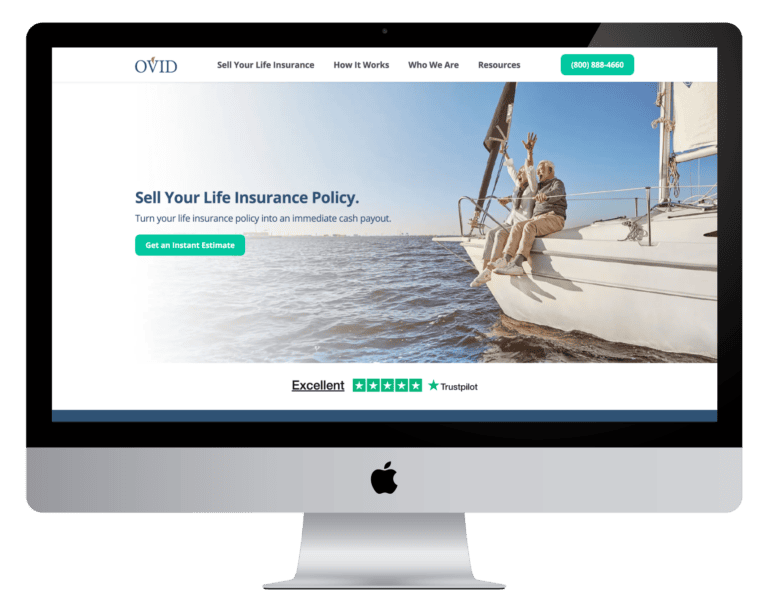
The companies below are visible participants in the life settlement market. Some are direct buyers or providers. Some are brokers that represent policyowners. Others are consumer-facing platforms, valuation tools, marketing companies, or legacy firms that are still searched by policyholders and financial professionals.
Companies that buy life insurance policies are part of the life settlement market. The buyer takes over future premiums and receives the death benefit later. Some companies buy policies directly, while others gather policy information, estimate value, refer cases, or represent policyowners through a broker-led process. This directory is designed to make those roles easier to compare before a policy is submitted. Because licensing and approved buyers vary from one state to the next, it’s worth checking the companies that buy life insurance policies by state that apply where you live.
What are companies that buy life insurance policies?
Companies that buy life insurance policies are usually licensed providers, institutional buyers, specialty funds, or firms that acquire policies as financial assets. The buyer pays the seller, assumes future premium obligations, and later receives the death benefit. A company found online is not always the final purchaser. Many websites act as intake points, education platforms, referral sources, or brokerages that move cases toward licensed buyers.
Direct buyers vs brokers vs marketing companies
A direct buyer may evaluate and purchase a policy directly. A broker represents the policyowner and seeks offers from multiple buyers. A marketing company or referral platform may collect information, screen eligibility, offer a calculator, or route qualified cases to another licensed participant. These business models can look similar on search results pages, but they create different incentives, different processes, and different offer paths.
How to compare companies that buy policies.
A useful comparison starts with the company’s role in the transaction. The review should identify whether the company buys policies directly, represents policyowners as a broker, submits cases to multiple buyers, offers a calculator or estimate tool, discloses who makes the offer, and focuses on life settlements, viatical settlements, or both. A calculator can provide a starting point, but a formal offer usually requires policy documents, medical review, underwriting, and buyer evaluation.
Why a competitive market can affect offers.
Life insurance policies are not priced like ordinary consumer products. Buyers may value the same policy differently because underwriting assumptions, premium projections, return targets, funding costs, and portfolio needs can vary. A single buyer may make a real offer, but a broader market process can show whether other buyers are willing to pay more. The goal is to determine whether the policy qualifies, what it may be worth, and whether the offer reflects available market demand.
Who usually qualifies to sell a life insurance policy?
Most policyholders do not qualify for a life settlement. Buyers usually look for policies where the insured is older, has had a meaningful health change, owns a policy with enough face value, and has premium costs that still make the policy financially attractive to a buyer. Eligibility commonly depends on age, health, policy type, death benefit, premiums, cash surrender value, ownership structure, state rules, and buyer demand at the time of review.
Should a policyowner contact a direct buyer or a broker?
A direct buyer may provide a fast answer from one company. A broker can represent the seller and submit the policy to multiple buyers. The broker-led process may require more coordination, but it can create competition among buyers. For many policyowners, the strongest first step is a review that determines whether the policy is worth taking to market at all.
The problem with calling every company individually.
Calling companies one by one can mean filling out multiple forms, repeating the same policy details, answering the same health questions, sending the same authorizations, and tracking which companies are direct buyers, brokers, marketing companies, or referral platforms. One company may be a buyer. Another may be a broker. Another may be an intake form. Another may be a legacy name. Without a clear market process, it can be difficult to know whether the policy is being reviewed by the right buyers or simply passed into another lead channel.
How Windsor fits into the process.
Windsor Life Settlements is a life settlement broker. A broker represents policyowners rather than acting as the direct purchaser. That structure allows a qualifying policy to be submitted to multiple buyers instead of relying on a single company’s offer. If the policy appears marketable, a broker-led process can help compare bids and pursue competitive offers. If the policy is unlikely to qualify, an initial review can prevent wasted time.
Get a policy review before choosing a company.
The company selected can affect the offer process, but qualification comes first. A policy can be reviewed at no cost to determine whether a life settlement may be possible. If the policy appears marketable, it can be submitted to buyers for competitive offers. If the policy is unlikely to qualify, a review can clarify that before time is spent chasing estimates that may not lead anywhere.